


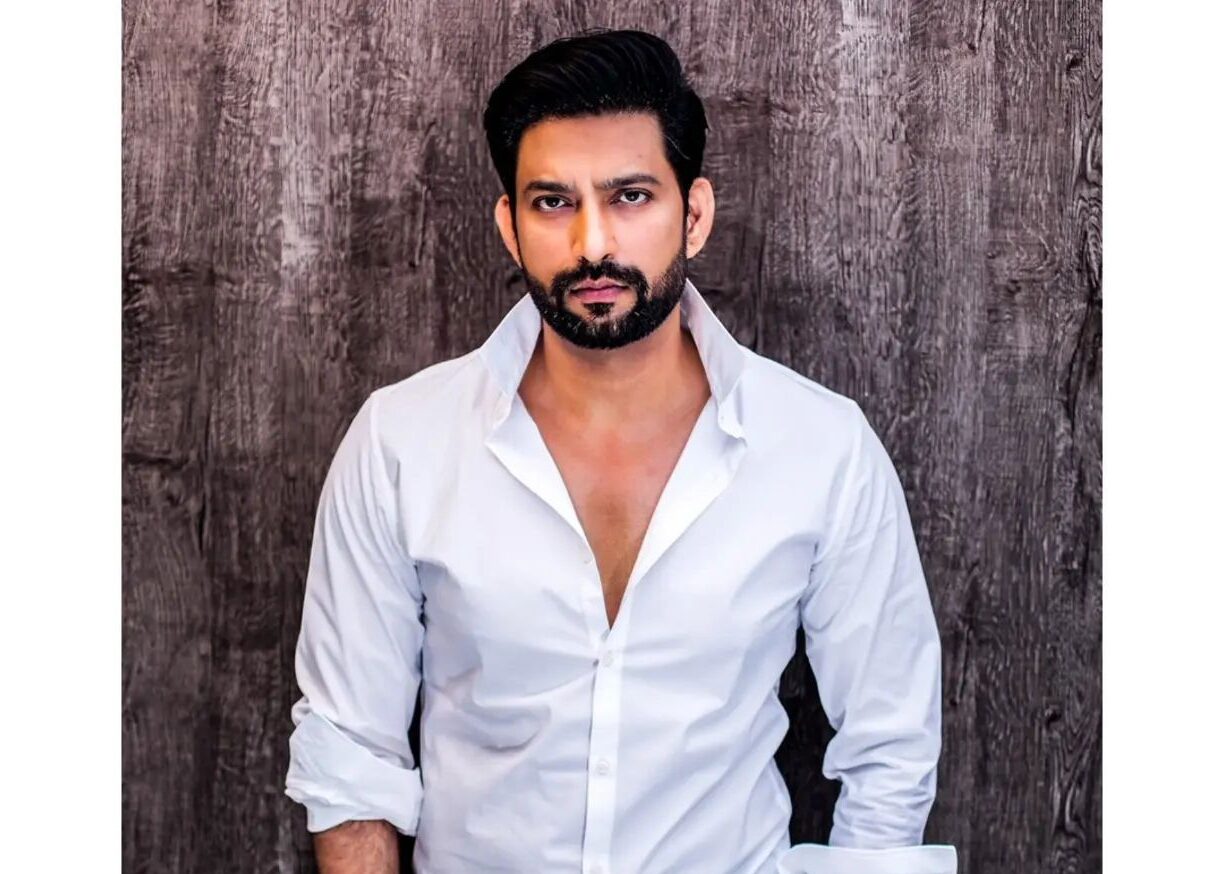
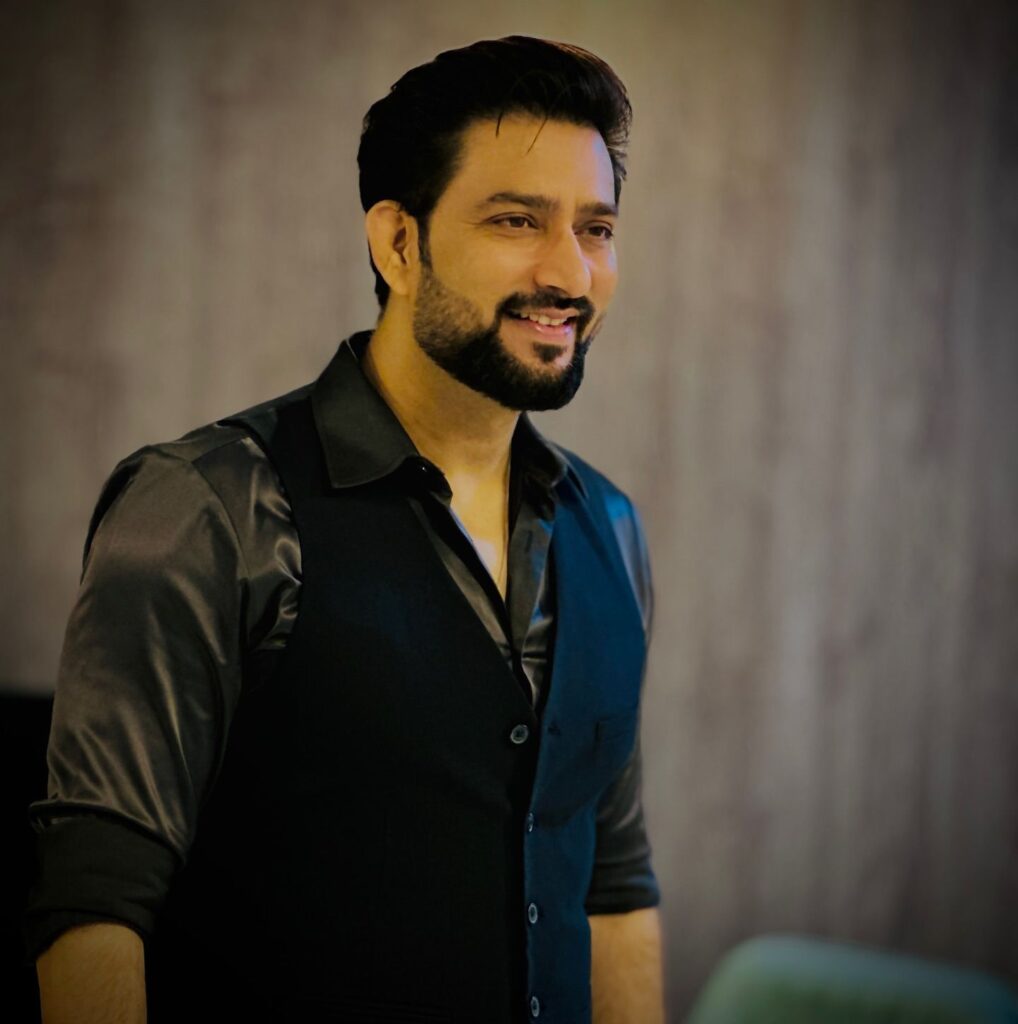
Aadesh Chaudhary has spent years working across television, films and digital platforms. Viewers have seen him in shows such as Banoo Main Teri Dulhann, Laagi Tujhse Lagan, Sasural Simar Ka, Diya Aur Baati Hum, Desh Ki Beti Nandini and Maitree. Over the years, he has taken on different roles and been part of several stories on screen. He is currently seen as Samar Damani in Yeh Rishta Kya Kehlata Hai following its recent generational leap. With Aadesh also exploring films and OTT projects with titles such as Bhram, Sabse Bada Rupaiya and Chitta Ve, the actor has been part of an industry that is changing rapidly with technology. One of the biggest conversations today is around artificial intelligence and the growing misuse of deepfakes.
Talking about why deepfakes have become such an urgent concern, Aadesh says, “AI has been around for quite some time, but now the technology has become very easy to access. Earlier, you needed a certain level of knowledge and resources to create something like this. Today, almost anyone can experiment with it. That is why the misuse has become a much bigger concern. The technology itself is not necessarily bad, but how people use it is what matters.”
With audiences now questioning whether the videos they see online are real, Aadesh feels celebrities also need to be more careful about their digital presence. He says, “Definitely, it changes the way you look at your online image. As actors, we are already very conscious about what we post and how our work is represented. Now there is another concern that something can be created using your face or voice without your permission. Seeing something online does not automatically mean that it is true.”
Aadesh also believes the accessibility of AI has made the situation more complicated. “I think the bigger problem is the easy access and the lack of awareness about how to use the technology responsibly. Technology will keep developing, so we cannot stop that. But there should be some responsibility attached to it. People should understand that just because you can create something does not mean you should create or share it,” he says.
Actors have dealt with edited pictures and manipulated content for years, but AI-generated material can make the situation far more serious. Explaining the difference, Aadesh says, “Earlier, if someone’s picture was edited or morphed, there were usually some limitations and people could understand that it had been changed. AI can create something that looks very real. It can make a person appear to say or do something that never happened. That can affect someone’s image and reputation in a much bigger way.”
If a fake video of an actor goes viral, Aadesh feels everyone involved has a role to play. He says, “The person who creates it should definitely be responsible because they are knowingly creating false content. Platforms also have a responsibility to act quickly when something is reported as fake or harmful. And people who are sharing such content should also think before forwarding it. Once something goes viral, it becomes very difficult to control.”
According to Aadesh, audiences too have an important role in dealing with the deepfake problem. “We have become very quick to react to anything we see online. Sometimes people see a 20-second video and immediately form an opinion or start sharing it. I think we need to slow down and verify things, especially when the content looks shocking or unbelievable. A little awareness can make a big difference,” he says.
At the same time, Aadesh does not see AI only as a threat. He believes the technology can also become a useful part of filmmaking and content creation if used responsibly. “I think AI can be both a creative tool and a concern. There are many positive things it can bring to filmmaking, editing and content creation. But when it comes to an actor’s face, voice or identity, consent has to be very important. Creativity should not come at the cost of someone’s identity or dignity,” he concludes.