
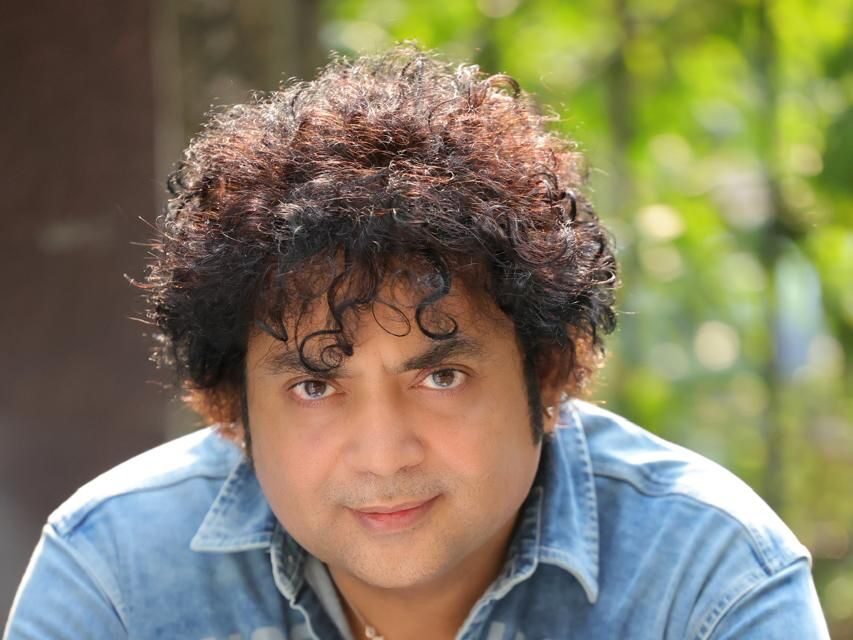
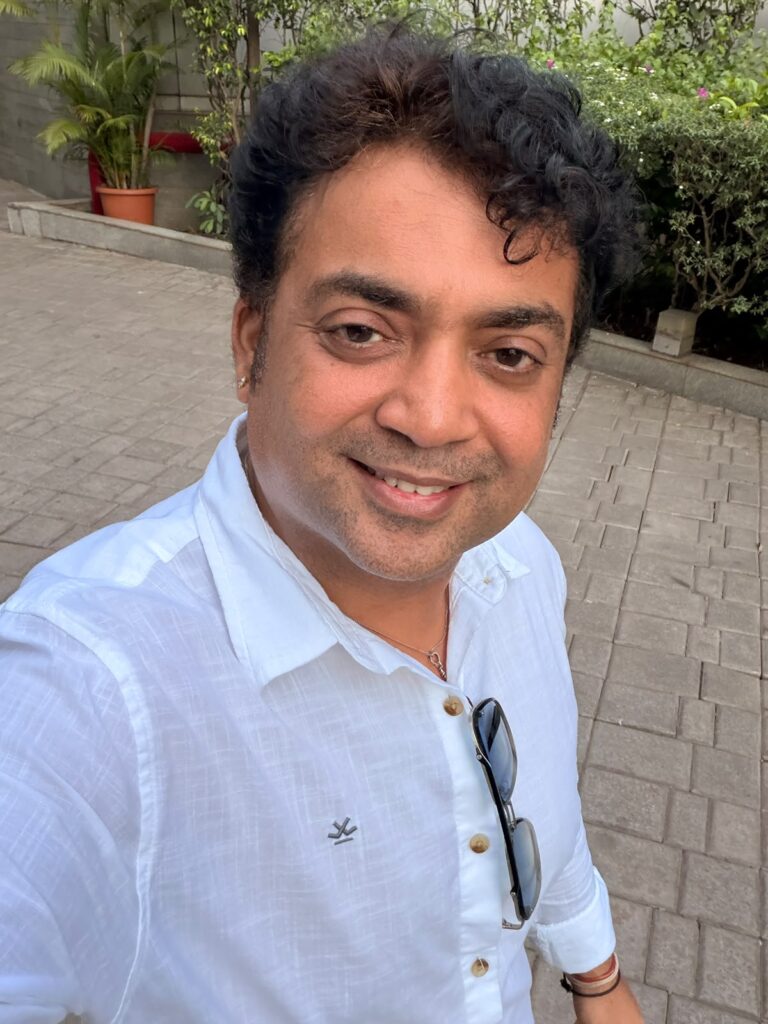
Actor Kislay Dutt, who was last seen in Office Office Chali Musaddi Ki Beti, feels people have become so used to scrolling through social media that they sometimes forget to question what they see. Fake news and AI-made content can easily mislead someone, especially when it looks real. He believes we all need to be a little more careful, whether it is about sharing a post or creating content for others. According to him, platforms, creators and ordinary users all have a role to play in making the online space more responsible. He also speaks about his own approach to social media and why he sees artificial intelligence as both a creative opportunity and a potential threat.
Personally, he prefers to maintain some distance from the version of reality often presented on social media. “Treating social media as a curated display rather than reality, both for others and for myself. It’s important to remember that people post their highlights, not their hard days,” he said.
“I keep my relationship with social media intentional by setting strict usage boundaries, keeping private moments truly private. And actively curating my feed so that it inspires me rather than feeds comparison,” he added.
When an AI-generated video goes viral, he believes accountability cannot rest with just one person. “It requires accountability across three layers. The creator holds legal and ethical liability for defamation, fraud, or identity theft without explicit consent. The platform needs active detection algorithms, mandatory AI-content watermarking, and swift removal mechanisms once flagged,” he said.
But he believes audiences cannot simply remove themselves from the equation. “The viewer or sharer needs to exercise basic digital hygiene, refraining from circulating unverified content purely for sensationalism or clicks,” he said.
He feels this is particularly important because social media algorithms often reward immediate reactions. “Absolutely. Algorithmic platforms thrive on outrage and quick reactions,” he said.
When users share content without checking where it came from, they can unintentionally help misinformation spread further. “When audiences share unverified content without taking a second to question its origin, they become active links in the chain of disinformation,” he said.
For him, even a small pause before sharing can make a difference. “Cultivating digital skepticism, pausing before clicking ‘share,’ is a collective responsibility we all hold now,” he said.
At the same time, he does not see AI only as a threat. “As a tool, it offers remarkable possibilities, de-aging, assistance in complex visual effects, or enabling stunt work safely. But without strong legal frameworks, consent protections, and fair compensation models, it poses a structural threat to an actor’s voice, likeness, and livelihood,” he said.
“The future of creative AI depends entirely on whether we establish legal and ethical boundaries before the technology outpaces us,” he concluded.